If you’re an adoptive applicant, it’s normal to feel nervous—especially if you genuinely care and don’t want to cause harm. Most families aren’t trying to be perfect; they’re trying to be respectful. The goal is to communicate in a way that helps a birth mother feel safe, informed, and in control.
During the adoption process, many birth mothers are carrying heavy feelings. Some are quietly thinking
If you’re scared of regret, that’s not a sign you’re doing something wrong, it’s a sign you understand how big this decision is. Many women feel love, grief, relief, and fear all at the same time. You deserve support that helps you decide with clarity, not pressure.
When someone thinks about adoption for my baby, the hardest part is often the “after”: How will I feel
If you’re considering adoption and aren’t sure about the father’s involvement, it’s important to learn how notice, the putative father registry, and timelines work in Utah and Idaho. This guide explains the basics so you can plan safely with your caseworker.
Key points in plain language
Notice & registry: An unmarried biological father may need to register or file certain actions to protect his rights within set
What does being a birth mother mean to me? WOW!! I will try to put my feelings into words best as possible. I am the luckiest birth mother in the world. I never knew the hardest thing I’ve done in my life (which was to place my little girl 15 1/2 years ago) could have been the BEST thing that I’ve EVER done. She has the
Feeling uncertain about adoption is normal. You deserve time, clarity, and unplanned pregnancy help without pressure. Here’s a step-by-step way to explore your options in Utah or Idaho.
Step 1: Talk privately with a licensed caseworker
Ask questions about parenting, open adoption, and public benefits. You control the pace; there’s no obligation.
Contact a Caseworker
Unplanned pregnancy help
Step 2: Learn the adoption process and your rights
Understand consent timing, revocation
When a birth mother changes her mind about adoption, families in Utah and Idaho can experience shock, grief, confusion, even anger. Those feelings are real—and there’s a healthy path through them. Here’s how to cope after a disrupted adoption, protect relationships, and plan next steps in the adoption process.
Step 1: Name what you feel and pause big decisions
Give yourselves time. Sleep, food, hydration, and gentle
Why families choose older child adoption
Many families in Utah and Idaho feel called to adopting older children because they want to preserve sibling placement, build connection with a school-age child, or because they feel prepared for a more complex adoption process. With trauma-informed support and a realistic transition plan, older child adoption can be deeply meaningful.
The adoption process for older children (Utah & Idaho)
Home study
This post is for general education—not medical advice. Always consult your pediatrician.
Why clarity (and non-stigma) matters
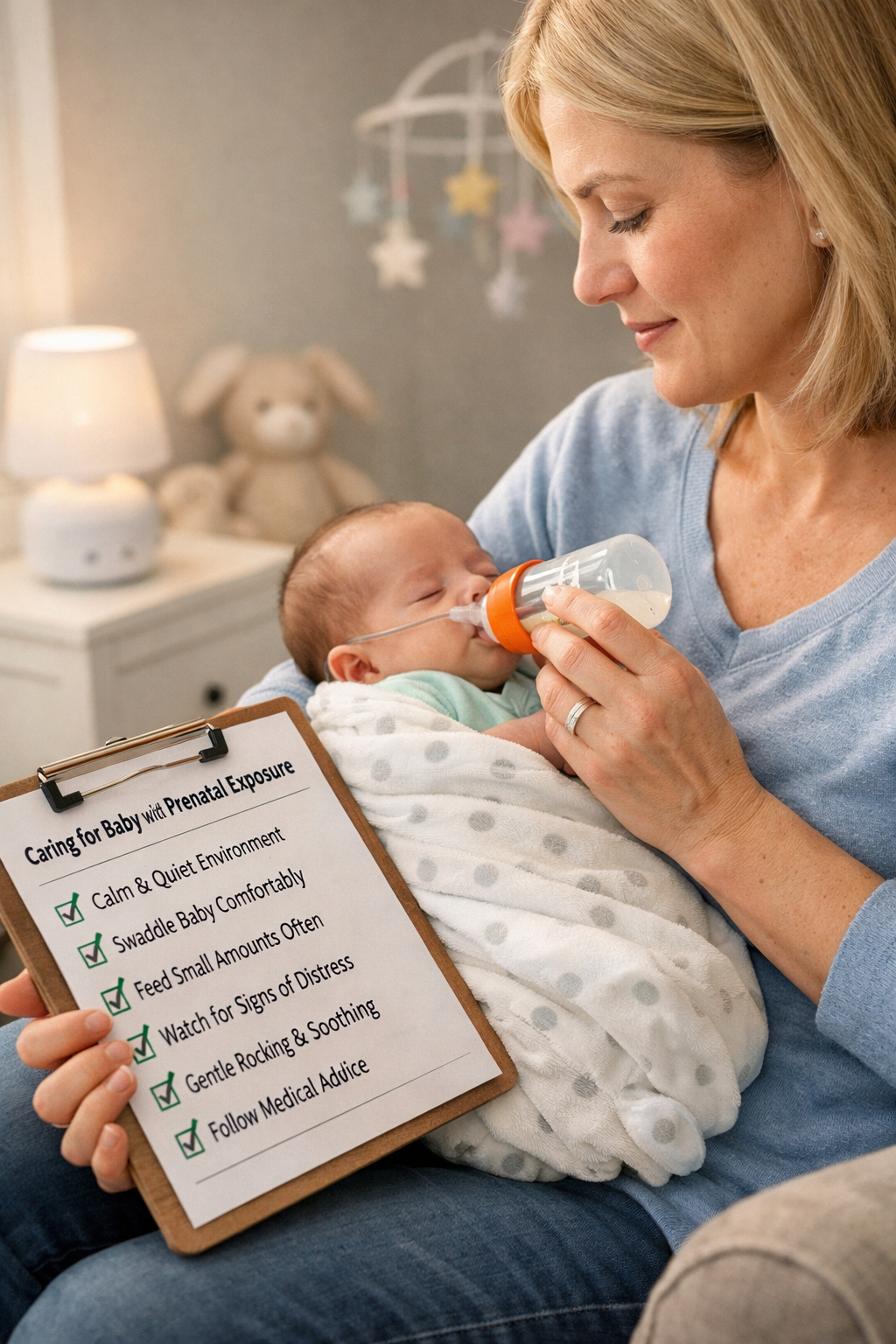
When a birth mother uses drugs, families often worry about outcomes. The most helpful approach is non-stigmatizing, fact-based, and focused on support. In Utah and Idaho, agencies, hospitals, and early-intervention programs can help you plan realistic care from day one of the adoption process.
Unplanned Pregnancy Help
Contact a Caseworker
Common exposure types
If you’re matched out of state, you’ll likely complete the Interstate Compact on the Placement of Children (ICPC) before traveling home. Here’s how to pack, what to expect, and how to keep things moving.
Both states (the birth state and your home state) must approve the placement before the baby crosses state lines. Your agency/attorneys submit your ICPC packet and keep you updated.
ICPC in Plain English
Official
Start with a Shared Openness Plan
Set expectations early: Decide update frequency (texts/photos/letters/video) and special days (birthdays, milestones).
Use plain language: “We’ll share monthly photos the first year, then quarterly.”
Keep it written: A simple document reduces confusion.
Unplanned Pregnancy Help
Boundaries That Protect Connection
Privacy & pacing: Share only what feels safe; you can adjust over time.
Respectful tone: When emotions spike, pause, journal, then respond.
When to meet: Choose public, low-stim
We use cookies to enhance your browsing experience, serve personalized ads or content, and analyze our traffic. By clicking "Accept", you consent to our use of cookies.
Functional
Always active
The technical storage or access is strictly necessary for the legitimate purpose of enabling the use of a specific service explicitly requested by the subscriber or user, or for the sole purpose of carrying out the transmission of a communication over an electronic communications network.
Preferences
The technical storage or access is necessary for the legitimate purpose of storing preferences that are not requested by the subscriber or user.
Statistics
The technical storage or access that is used exclusively for statistical purposes.The technical storage or access that is used exclusively for anonymous statistical purposes. Without a subpoena, voluntary compliance on the part of your Internet Service Provider, or additional records from a third party, information stored or retrieved for this purpose alone cannot usually be used to identify you.
Marketing
The technical storage or access is required to create user profiles to send advertising, or to track the user on a website or across several websites for similar marketing purposes.