


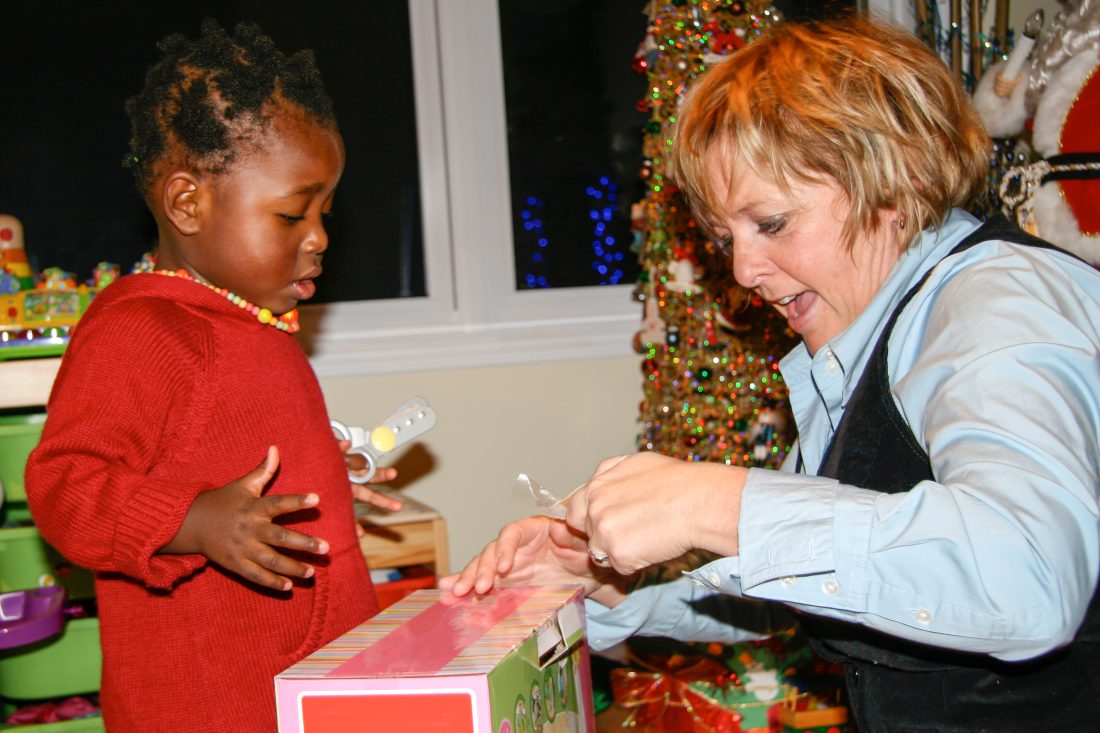
Holidays with Heart: Supporting Adopted Children When The Season Is Hard

Why the “happiest time of the year” can be hard
Holidays often come with big expectations—perfect photos, perfect meals, perfect behavior. For many children adopted from foster care or private adoption, this season can also surface hard memories: times when food was scarce, caregivers were absent, routines were chaotic, or there was increased conflict or substance use. Even years later, the lights, music, smells, or schedule changes can trigger anxiety, sleep disruption, or grief.
None of this means your family can’t have meaningful holidays. It means planning for emotional safety—and giving yourself permission to create holidays that work for your family.
Step 1: Name the past; make room for new feelings
- Invite gentle conversation. “Some holidays from the past were tough. If feelings come up, I’m here.”
- Share your own memories (good and hard) to normalize mixed emotions.
- Validate and move at their pace. Tears, anger, or shutting down aren’t misbehavior—they’re communication.
Post-Adoption Support Videos
Talk to a Caseworker
Child Welfare Information Gateway—post-adoption services: https://www.childwelfare.gov
Step 2: Right-size expectations (and your calendar)
- Keep routines steady. Sleep and meals are protective; plan around them.
- Choose a few great activities instead of a packed schedule. (Overstimulation is real.)
- Preview the plan. Who will be there, what the noise level might be, what to do if a break is needed.
- Offer a “signal” for breaks. A hand sign or card lets a child step away without public attention.
Pro tip: If an activity has gone poorly before, modify or skip it this year. “Store-bought cookies” is a valid regulation strategy.
Step 3: Create your traditions—together
Old traditions may not fit a new family yet. That’s okay.
- Co-create two new rituals your child helps choose (e.g., “first-night cocoa walk,” “kindness ornament,” “memory candle”).
- Explain the “why” behind traditions so kids don’t feel set up to fail.
- Honor culture and identity. If your child’s heritage includes different holidays or foods, add them with respect.
Resource: North American Council on Adoptable Children (NACAC) — supports & education: https://www.nacac.org
Step 4: Prepare relatives and guests (kindly but clearly)
- Share one-page guidance with family: preferred names/pronouns, safe topics, food boundaries, touch/consent rules, photo policies, and a plan for screen time.
- Offer phrases relatives can use:
- “We’re so glad you’re here. You can join in or take a quiet break anytime.”
- “You never have to hug—high fives and waves are great.”
Step 5: Plan for big feelings (before, during, after)
Before:
- Practice scripts (“If I feel worried, I can…”) and walk through the space if possible.
- Pack a regulation kit: headphones, fidgets, favorite snacks, quiet-time book, weighted lap pad.
During:
- Set micro-check-ins every 45–60 minutes.
- Use “reset spaces” (quiet bedroom, porch) and 10-minute decompression timers.
After:
- Debrief with curiosity: “What parts were fun? What was hard? What should we change next time?”
Sample one-page holiday plan (copy/paste for your fridge)
People: Grandma’s house; 8–10 adults, 4 kids
When: 3–6 PM (we’ll arrive at 3:15 after nap)
Food: Bring safe snacks; no pressuring to try new foods
Activities: Ornament craft (15 min), reading corner, board game
Quiet space: Back bedroom with headphones/fidgets; “blue card” = quiet break
Goodbyes: High-five/wave only; no forced hugs
Back-home routine: Bath, cocoa, lights-off story, bed at 8:00
If openness adds layers
Open adoption around the holidays can be beautiful and complex. Keep expectations clear and age-appropriate: what communication looks like (letters/photos/video), how questions are handled, and how you’ll support all feelings that arise.
Final word to parents: Enough is a blessing
Your holiday doesn’t need to look like a commercial. It needs to feel safe, seen, and connected for the people in your home right now. That’s more than enough.
For more information call or text Forever Bound Adoption at (801)-821-1354 or email [email protected]