


Transracial Adoption in Utah & Idaho: Openness, Support, and Real-Life Preparation
What Is Transracial Adoption—and Why Preparation Matters
Transracial adoption means a child is adopted by parents of a different race or ethnicity. It’s about love and belonging—and also about lifelong learning, cultural humility, and building the right support system. In Utah and Idaho, families and birth mothers often ask how open adoption, community resources, and the adoption process work together to support a child’s identity.
For Expectant Mothers and Unplanned Pregnancy Help:
If you’re searching for “adopt my baby” or unplanned pregnancy help, you deserve compassionate, pressure-free guidance. You can talk with a licensed counselor about your options, including open adoption—letters, photos, or visits based on your preferences—and how transracial placements are supported before and after birth.
Resources:
- Child Welfare Information Gateway (adoption options & openness): https://www.childwelfare.gov
- Idaho adoption info (state portal overview): https://healthandwelfare.idaho.gov/
For Adoptive Applicants: What Transracial Readiness Looks Like
1) Cultural humility and learning.
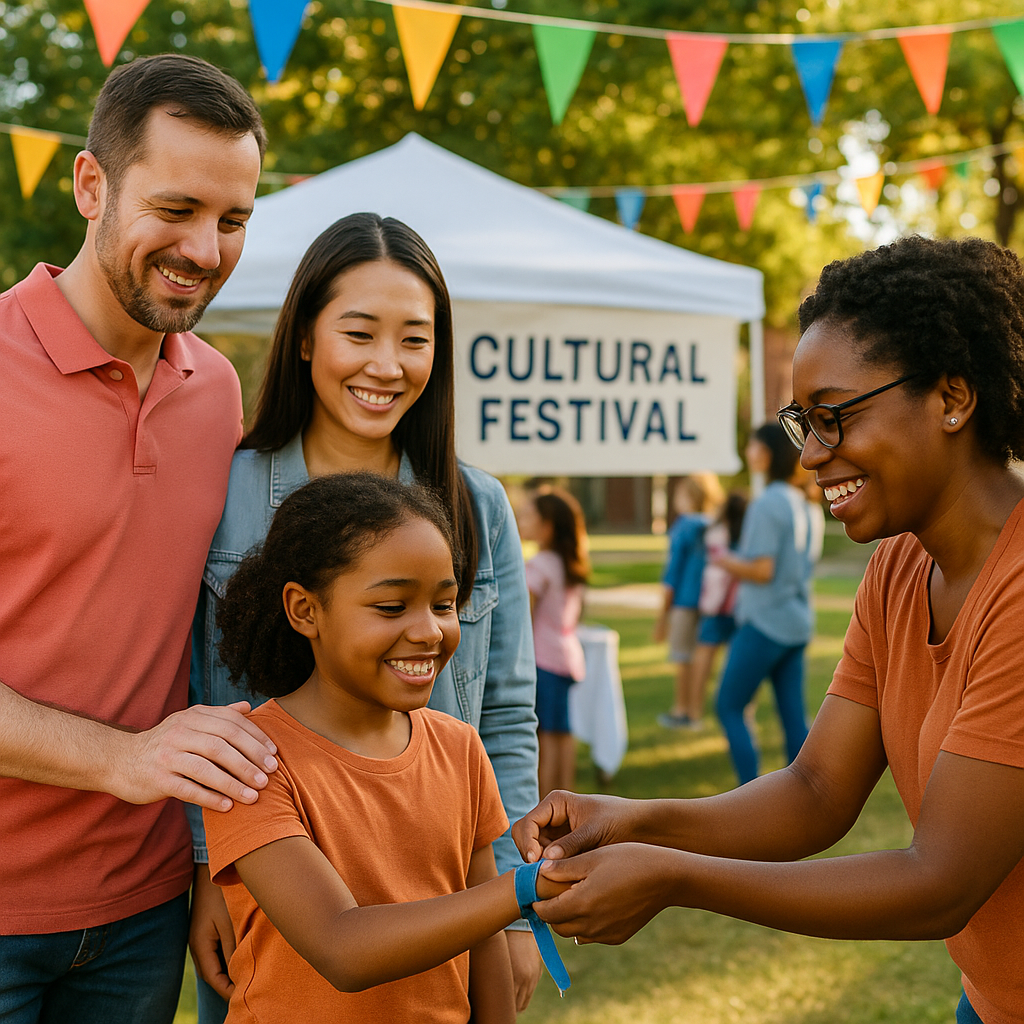
Commit to learning your child’s culture and history—food, books, music, hair/skin care, and community role models. In Salt Lake City or Boise, that might include cultural festivals, community centers, and mentorship through local organizations.
2) Representation in everyday life.
Kids need to see people who look like them. Think about pediatricians, barbers/hair stylists, child-care settings, and faith or community spaces in Ogden, Provo, Idaho Falls, Pocatello, or Twin Falls.
3) School & neighborhood fit.
Ask schools about inclusive curricula, anti-bias training, and clubs that celebrate diversity. If you’re in St. George, look for youth groups and extracurriculars that reflect your child’s background.
4) Open adoption & identity.
When safe and appropriate, open adoption can give children first-family roots and ongoing context. Families often report that openness, when mutually agreed upon, helps kids integrate their story with pride.
The Adoption Process in Utah & Idaho (At a Glance)
- Reach out & explore your options. Your caseworker walks you through unplanned-pregnancy support, open-adoption choices, and how Forever Bound supports transracial placements—privately and confidentially.
- Home study & education (adoptive families). Licensed case workers evaluate readiness; families complete training focused on transracial adoption and trauma-informed care.
- Matching & openness planning. Birth mothers review waiting families and discuss preferences (including transracial placement and open adoption contact).
- Hospital plan & consent. Your plan may include who’s present at delivery and how you want early contact to look. Consent timing follows Utah/Idaho law (talk with your attorney for specifics).
- ICPC (if out of state). If the family is from another state, your agency coordinates the Interstate Compact so travel is approved before baby crosses state lines.
- Post-placement support. Counseling, parenting resources, and community connections continue—especially essential in transracial placements.
Hard Conversations: Talking About Race, Bias, and Belonging
Transracial adoptive families will eventually face questions or comments about race and adoption. Prepare age-appropriate language:
- “Families are made in many ways. You belong here.”
- “We celebrate where you come from and where you’re going.”
- “When people are curious, we share what feels right and keep private what belongs to our family.”
Love + Preparation + Community
Transracial adoption works best when families pair love with action—learning, representation, community, and open adoption (when appropriate). If you’re exploring the adoption process in Utah or Idaho, or you want unplanned pregnancy help, we’ll listen, answer questions, and walk with you.
Call to action: